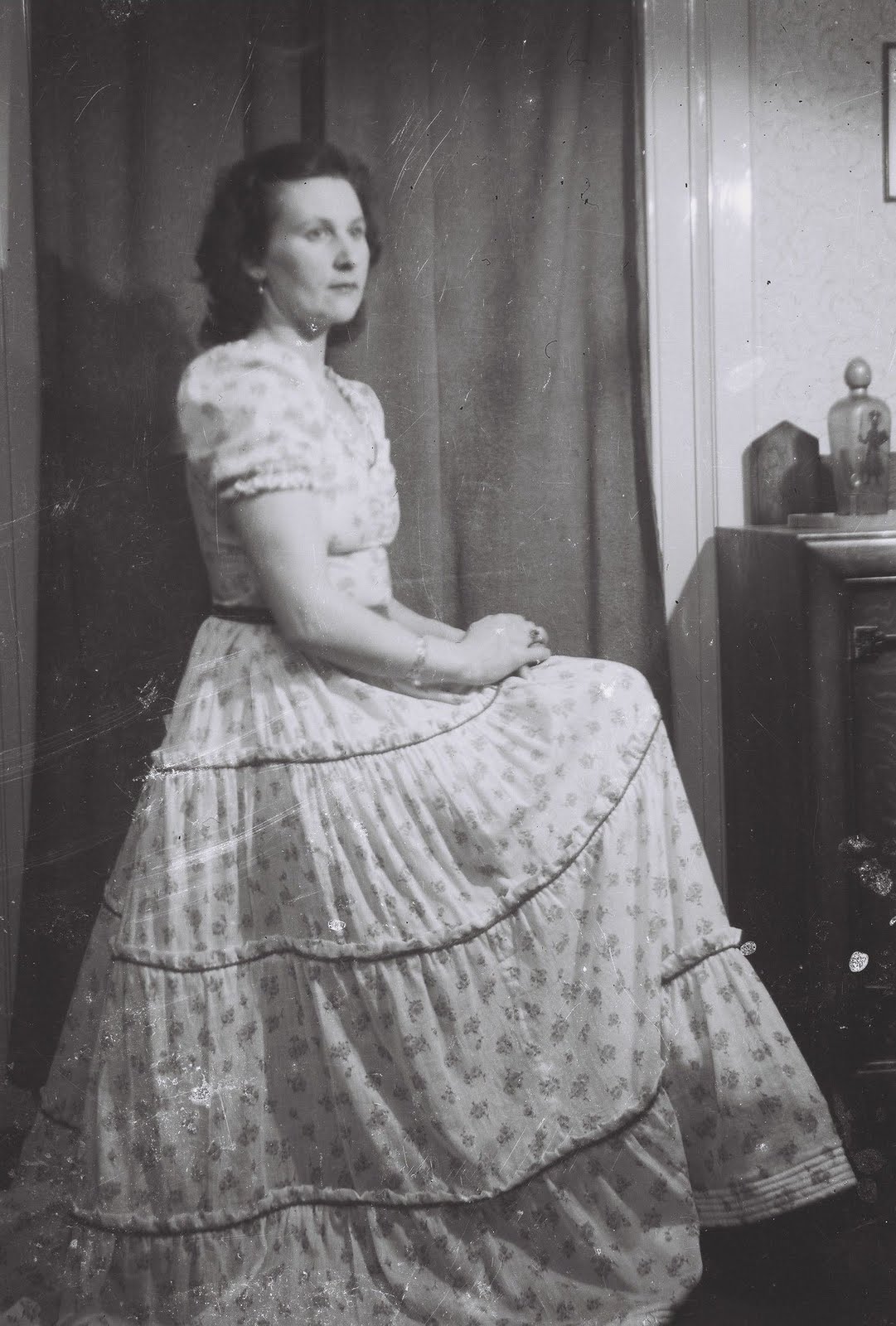
You were born in 1919, the year women were finally granted the right to vote in the Netherlands. Such a year of promise.
The first daughter of parents who were then considered too old to bear children, both in their early to mid-thirties. But children they had. There soon followed five sons, including one set of twins, one of them a sister.
You were not to know you would have five sons, yourself, and four daughters. You were not to know you would also lose two babies, both girls, one at four months of age during the Hongerwinter of 1944 and the other leven los, still born.
Your forty-three-year-old placenta could not hold out long enough to give her nourishment, or so you were told when they pulled the dead baby out.
Your childhood you described among the tulips, clogs, windmills, frozen ponds and silver skaters – stereotypical of Dutch life – as endlessly wonderful. Though your adolescence maybe not so. Not that you ever complained.
Everything about your life in Holland, apart from the horrors of war was wonderful.
You never told us how much you hated being pulled out of school at fifteen so you could take the place of your mother’s house maid to save in expenses as your brothers’ educations, with two in a seminary and others at the Lyceum was too much for your father to manage on his physical education teacher’s salary.
You thought it a good idea.
Your parents offered a small payment for doing the work. And they called on a char woman to do the heavy stuff, mopping the floors and the like. So, it was easy enough. Besides you could save up and go on a hiking trip to the Black forest when you were seventeen years.
A year later in Luxemburg on another holiday you soldiers in formation and although something told you it wasn’t a good thing, you still managed to enjoy your holiday among friends.
Then the war hit.
Whether it was because he wore a unform that made him more handsome in your eyes, his height or stature, you fell for our father against all sense. He not baptised into the Catholic church after. He did not come from as respectable a Haarlem family, as your own.
Still, he charmed you into marriage despite the signs, those red flags we recognise today as precursors to family violence.
His moody outbursts, the times when he would not speak to you for days because of some slight your part, which you could never understand.
He would not explain what you had done wrong. You could only guess. And as unpredictably, he forgave you and went back to talking to you as though nothing had happened.
Even so, you considered those early years happy. Your first son born a year after your gorgeous wedding. When your cousin loaned you enough apricot taffeta for your wedding dress even as fabrics were hard to come buy halfway through the war.
When I was a child you never mentioned the German invasion, but you told me in later years about the spies in your midst and the struggles to conceal your husband and brother in the roof of your parents’ house so the German soldiers would not ship them away to work camps.
You knew about hunger then, too, and although you told us about eating soup made of tulip bulbs towards the end of the war and in vivid detail about the death of your infant daughter whom you named after your mother according to Dutch tradition, you never made out how hard it was for you.
How pained you were by your first years in those early days of marriage.
You never let on you might have made a mistake. You did not want to come to Australia, but your husband convinced you it would be for the best. So, you went along with his plans to start a new life here.
You went alone on a ship, pregnant with your fifth child, four little ones in tow, leaving your dead baby daughter buried in Heilo.
You only got to visit her grave once again in your sixties. So long ago but never forgotten.
You came in the boat after your husband had arrived six months earlier. He had managed by then to buy a plot of land and would build a house.
In the meantime, a farmer in Greensborough had offered his old chook shed where you could locate your family until the house was built. It took forever.
He built the house single handedly with a little help from one of your brothers. Two brothers followed him to Australia.
He was persuasive, the man you married. He could talk other people into doing things with the promise of greater good, but he lost their respect over the years once he fell into alcohol abuse.
All this you kept to yourself through another four pregnancies, one which culminated in the still birth of your last child.
Book ended by dead babies, your married life was one of hardship and struggle. But you held onto your faith in God and rarely complained.
Fear oozed from you on weekends when your husband drank most, fear you passed onto your children, at least the younger ones. Not intentionally, but you were not equipped for the life you inhabited here in Australia.
You thought you were destined for great things, or so your father had led you to believe, his first born darling, the mutual apple of one another’s eyes. Though your father lost his sight in his final decades not long after he lost his wife, your mother, to stomach cancer.
You took the call from Holland on a telephone that hung against a wall in the holiday complex your husband had bought with another one of your brothers. Again, he dreamed of huge success. But it was a struggle.
The business failed. No one took holidays in Healesville anymore and all your savings turned to ash when you sold again a year later.
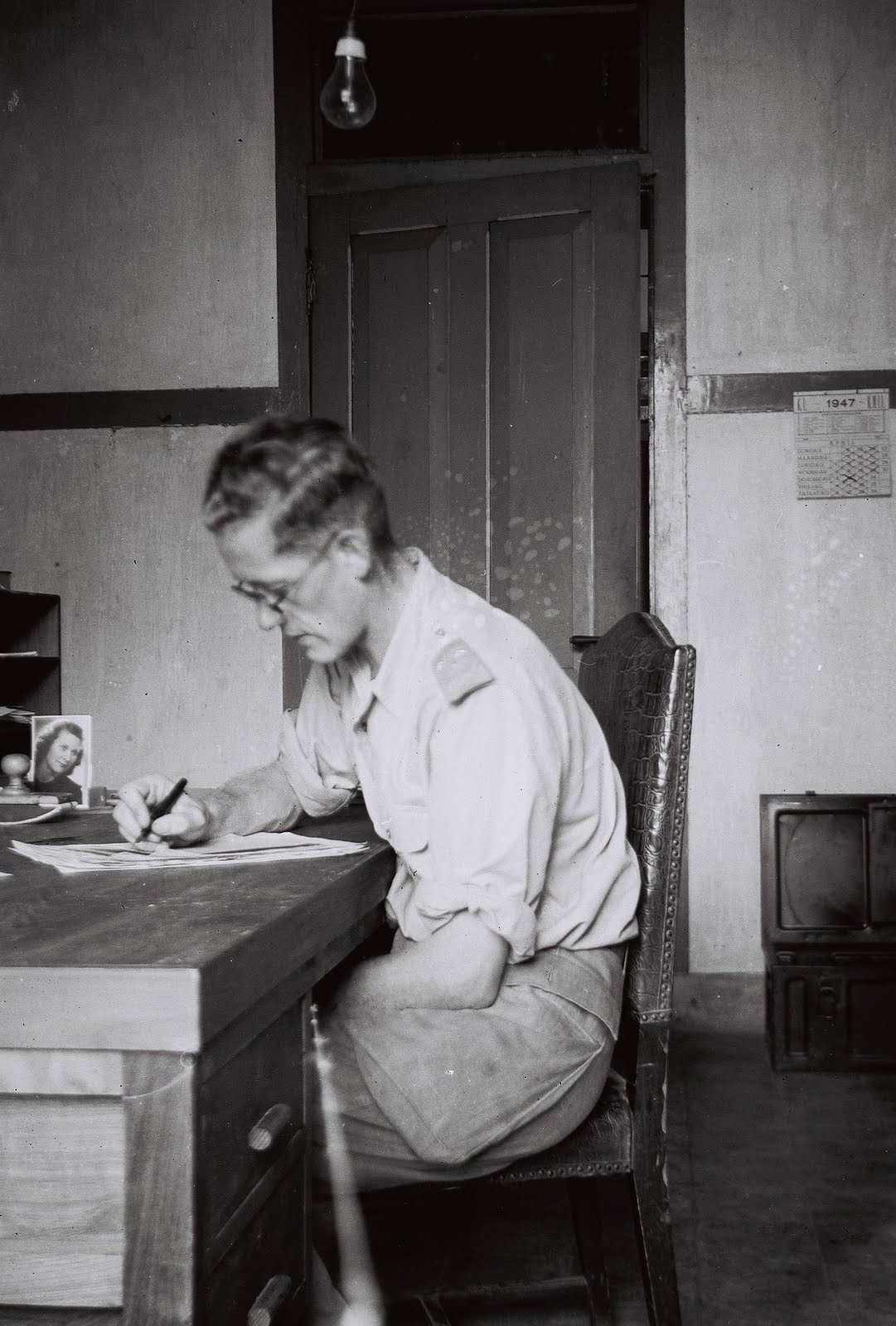
By then he had diabetes and you nursed him through ill health, his emphysema from all that smoking, none of it helped by his drinking. But he held down a respectable job as accountant with the firm Cooper Brothers in the city and you dreamed one day of his becoming a partner.
He earned good money but much of it he spent on his hobbies, his photography and his drinking. There was never enough for groceries and house-hold expenses, and you spent those years worrying endlessly about the pull to budget, you were never able to keep in the black.
Always in debt, this life of poverty with so many children to care for, no time to read left you hankering for more. It was not till you joined Al Anon in your late fifties that you could see some way out of the mess of your marriage.
Not that you’d ever leave him, though your two eldest sons arranged for this at one point, setting you up in a rental in Parkdale with your four youngest children once the others had left home.
You couldn’t bear to be away from him so long. You worried for him, and you convinced yourself within a year that another miracle had occurred. He stopped drinking. He had promised you faithfully, and you believed in miracles.

Within months he was back to drinking and the abuse. It took another two years, losing his job, because he could not face a day without a morning’s drink, and a spell in Delmont hospital where they zapped him with ECT to shake his depression, before things changed.
A few years later he was dead, and you were 63 and soon you would marry a man who was Australian by birth despite all your scepticism on the value of Australians when we were little.
This man gave you much joy even though we perceived him to be patronising of you. He was not abusive like our father.
You adopted his family eagerly after you watched the mother of his five children die of emphysema. You two married and the rest of your story I was largely absent from.
You wanted regular lunches with your daughters. You plugged for them. But we were not always available will and able. Nor so keen to blot out the past as you would have us do.
We had lives of our own, with children of our own. And your life continued apace until your second husband died and you spent your last decade alone, much of it in a retirement community, which you disliked but accepted as inevitable.
You preferred the isolation of your lovely room once you needed extra care. Where you sat for hours on end, a book on your lap. Your bones gave you trouble, your arthritis ached and in time your heart gave out.
You lasted all of 94 years, not the last of your seven siblings to die, but not the first either. I saw more of you in these final years, lured back by a guilt I carried from childhood. How much I had wanted to rescue you from our father.
I think of you now, lost in my memory. In your mind you’d be up there in Heaven looking down on us.
I doubt this, but it helped you to imagine going on forever.
How wrong you were.