‘No TV people are the scum of the earth.’
A comment made in a series called Trying, where a couple are competing with other parents to adopt a child in Camden London. The other family in this story enjoy a large and beautiful house, with multiple bedrooms and a tree house at back.
But they do not own a television set, a sign of something off, according to those who compete.
To me there’s nothing off in not owning a TV, though the idea puts me in mind of the many years ago when my youngest daughter, now in her early thirties, was only three. Her eldest sister away in Germany on exchange and her other sisters were addicted to Home and Away.
One evening with dinner on the table when the elder of the two insisted she could not stop watching the movie at that moment because one of the central characters was about to have a baby, something shifted inside me.
Enough was enough.
In a grand gesture, I pulled out the plug and lugged the beast across the back garden and plonked it down on a bench in the workshop where it stayed for the next decade or so.
My children were mortified and distressed. We still talk about it. My third child bemoaned the fact she had nothing to talk to her friends about when they were going on about the latest episode of Home and Away.
My eldest daughter imagined on her return from Germany that she’d be able to talk me out of it but to no avail. I was obdurate. Typically, Thoughout our children’s childhoods my husband was the firm disciplinarian, but in this instance I held firm.
My children soon found a solution after they each took possession of a computer and could watch movies on their screens as my husband and I still do.
We still do not possess a television. I see no need.
In retrospect it seems harsh but during the years after I installed the television unplugged in the workshop, my children read more books than they might otherwise.
Maybe my decision as a twelve-year-old to give up television watching after I decided I could spend my time watching the box or I could begin to apply myself at school paid off.
Till then I loved nothing more than getting home from school to Simba the White Lion, or Robin Hood in his greenwood finest, or Leave it to Beaver.
There was any number of American sitcoms to enjoy even as we tended to stop television watching the moment my father walked through our door.
It’s different these days, it seems with the ever-available presence of the online world. And as Kate Manne writes, ‘We live in a state of hyper-reality that perceives the simulacrum or the copy of the real thing to be more real than reality.’
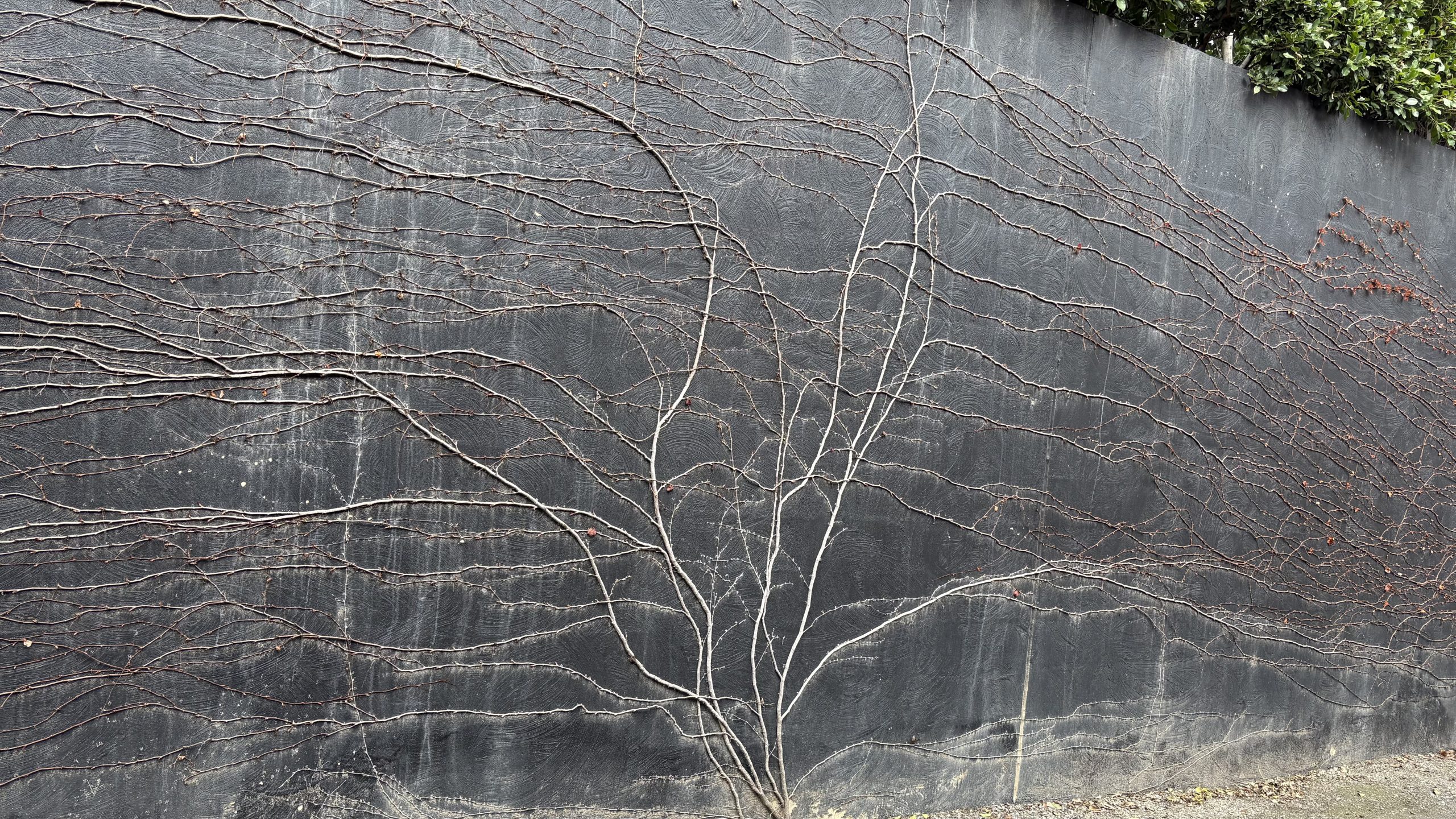
To this end, I can watch endless reams of Kelly Boesch art installations on the screen. The hyperreal people and creatures cavorting the screen in endless impossible ways. They burst into cascades of colour, or overflow with water. The nature scenes of flowers more hyper real than hyperreal.
I love the effect of watching for those moments as I study the screen, but it has a dissatisfying feel once it ends. I can rarely find a story in any of these pieces, even though often she accompanies her visual portrayals with the lyrics of songs, hers and other peoples’. The songs sometimes hold snippets of story. But I cannot hold onto any of it. just a lingering after taste of pleasure rather like saccharin in your tea, or the artificial taste of low joule soft drinks.
But then I think of Jeanette Winterson’s advice on one of her Substack’s on writing, ‘Do not confuse product with process.’ These two are not the same and in this world where we have become obsessed with the finished product and urge to produce, we forget the pleasures of the process.
It’s one of the reasons I write endlessly, not for the product, the finished piece but for the pleasure of the process, of finding ideas words and images rolling from my mind through my fingers and onto the keyboard and thinking.
Like Siri Hustvedt, I can see that memory and imagination are twins. I dig into my memories and before I know it, I’m embellishing the memory with all its holes and gaps in understanding where my imagination leads me. And my imagination also piggy backs on memory. It must be somewhere inside my mind, unconscious and all for it to emerge on the page.
The dogs are with us this weekend, they too blend with my dreams and imagination. I try to understand their movements, to provide them with predictability and care. And to help them override the impulse to bark whenever someone new enters our house. They are determined to warn people off or in the case of beloved family members they bark out of pleasure at the reunion.
But their barking is so loud it sets your teeth on edge, and it takes time before it subsides, for the rest like now they’re quiet. The small one at my feet trying to slip their body between the folds of blanket I’m using to cover my knees in this cold house.
The other, a black labradoodle is under their own blanket on the chair behind me. Both quiet for the moment. But there will come a time soon when one or other of the dogs will move closer and address me with wagging tail and insistent snout rubbing into my leg, It’s time now for action. Enough of the indolence. We want you to take us for a walk or at least throw those endless balls in the back garden so we might play fetch.
What is it with dogs and balls? The game of fetch. Dogs bred or trained from the get-go to undertake their role in life as one of retrieve-that object-and bring it to your owner. The …oodle of labradoodle whose breed for centuries were water dogs trained to fetch from the water birds felled by their owner’s gun, and the little Jack Rusell terrier cross, bred as a rabbiter or mouser, snout into holes. You see it even now the way she pokes her nose into things.
Beloved dogs who give us such joy, more than the television or the hyperreal online world ever could.