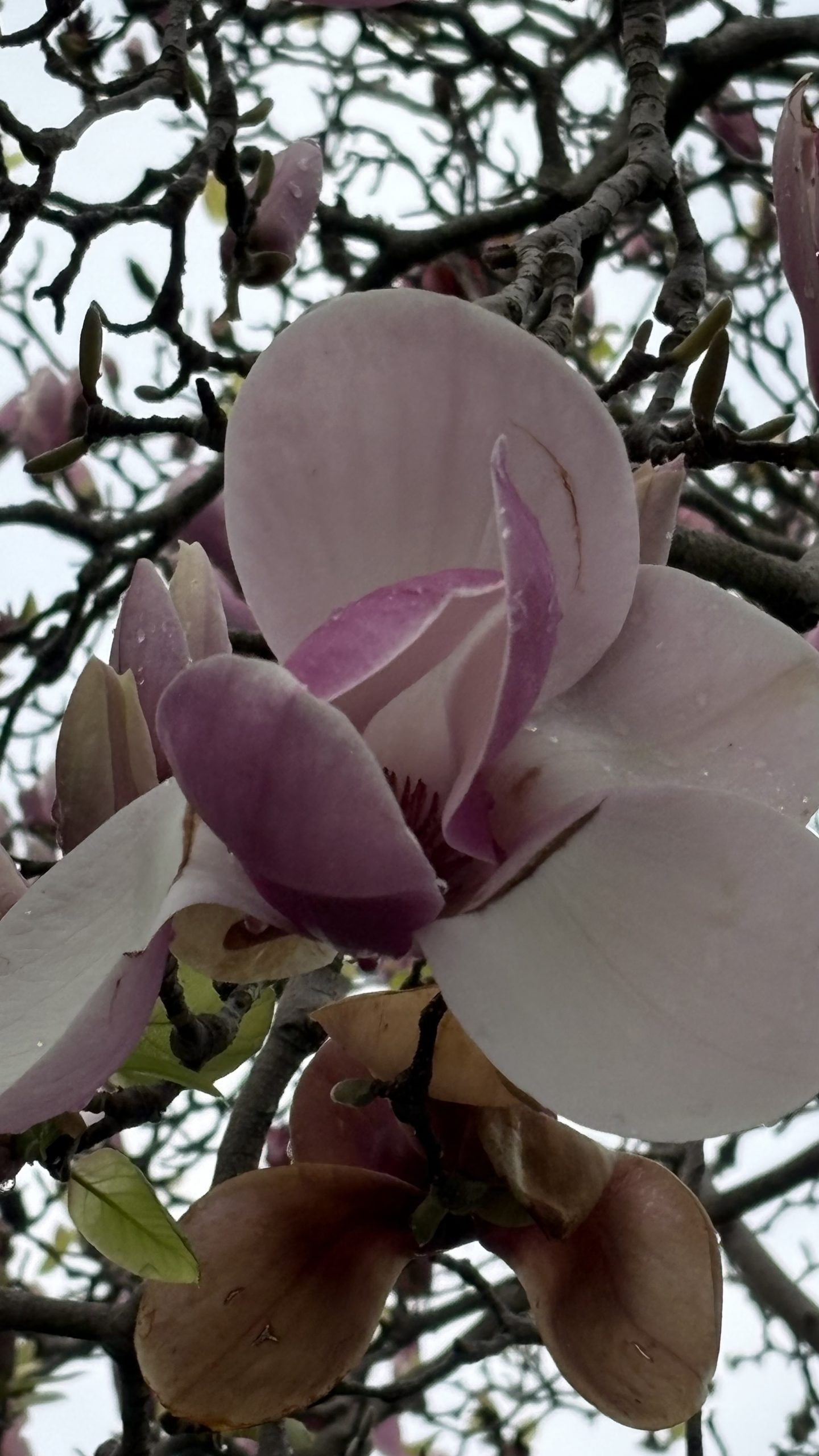
‘Oh what can ail thee knight at arms
Alone and palely loitering?
The sedge has withered from the lake
And no birds sing.’ John Keats
Not exactly how I’m feeling this morning, but it’s strangely soothing to rattle these lines from Keats’s poem to my husband when he looks forlorn.
Against other joyous times when he and I belt out the words from a childhood hymn:
Hail Queen of Heaven, the ocean star
Guide of the wanderer here below
Thrown on life’s surge, we crave they care
Save us from peril and from woe
Mother of Christ, Star of the Sea
Pray for the wanderer pray for me.
Elsewhere the invocation is to pray for the sinner.
No wonder we were raised on unhealthy doses, or perhaps to some a healthy dose, of guilt.
The guilt of a child who learns too early the nature of sin.
Galit Atlas writes about the guilty child as the ‘part of us that believes every bad and painful thing that happened was our fault.’
Even your thoughts, in my case, any thoughts pertaining to my naked body. The strange sensation I felt poring over the pictures of naked women in my father’s art books.
When you’re raised on a diet of the unspeakable, without even knowing why such sensations are so, not only unspeakable, but also unsayable, you learn to censor yourself.
Atlas again, ‘As guilty children we live with a particular type of magical thinking, the illusion that our feelings, wishes or thoughts are wrong…’
Not only did I struggle against those impure thoughts, which were so diabolical I could not even bring myself to tell the priest for fear he might ask me to spell them out.
‘What thoughts, my child? He might ask from the shadows of his seat in the tall confessional and I’d be obliged to tug out words from my limited vocabulary for things I knew were forbidden because they involved the naked women’s bodies in my father’s art books, not to say anything about the thing I imagined sat nestled behind fig leaves painted in those same books.
If I saw a banana peel shed by some careless person on the pavement, I went into overdrive. Even as I cast the peel into the gutter out of harm’s way, I still imagined a hapless passer by treading on the peel and slipping their way into the orthopaedic wing of a hospital with broken legs, arms and spine. And it was all my fault.
Thoughts like this plagued me as a child, especially when I learned the facts of original sin, the one we’re born with from the get-go.
Years later, when I first read Melanie Klein’s ideas following on from Freud writing about an innate sense of envy, I railed against the idea. As if a baby can be born with anything other than their small body, immature brain and need for love and care to survive. Why saddle babies with the heavy burden of our adult projections?
All this speculation on the intricacies of our internal worlds, allegedly based on long spells of adult observations during long hours talking to small children and even non-verbal children, and trying to figure out their ways of viewing the world.
When you’re little, you tend to take it all seriously in each moment, even when those moments slip away fast.
The conceit of time can seem evasive, as if every single moment is a moment forever.
This morning preparing my breakfast, chopped up pear, kiwi fruit and blue berries in yoghurt with multiple cups of tea, I reflected on old friends, one in particular, a well-known Australian writer who prefers not to be referenced in my writing, which to my mind defeats the purpose of writing, as it deletes a salient detail that makes a difference to the reader. Anyhow out of deference, only to say she is an award-winning Australian writer a decade at least younger than me and an all-round lovely person. Everyone loves her.
When I first encountered this friend mid PhD at La Trobe, she and I spent time together talking over all things literary and family, life and the rest. She, too, was interested in the psychoanalytic world and so we found we had things in common.
I was excited to be among the audience at one of the Melbourne writers’ festivals many years ago when she was presenting ideas on her first brilliantly received novel. I sat in the front as I’m inclined to do for better hearing and because if I’m going to go to the trouble of attending a talk, I prefer to be close to the speakers to maximise my engagement.
Not for me hovering and hiding in the back rows. Though I did this often when studying my undergrad at university in my late teens, early twenties. When I lacked all confidence in my capacity to have a brain.
Anyhow my friend introduced me to her husband and not for the first time. Was it she who later told me, or did I overhear him describing me as one of her groupies? I thought of the comment as more a reflection of him. His jealously perhaps that his small and quiet wife was starring on stage still his comment hit a nerve, one that has stung ever since.
It marred my sense of connection to my friend. As though I was a hanger on, a mere acolyte, one who was not worthy of her company. And over the years as her fame within the literary world has risen, and mine has staggered along hidden in the shadows I have tried less often to keep up contact. Though from time to time, we still might meet.
Much water under the bridge as the saying goes. Our worlds no longer collide as fiercely though I wish they did. I miss those early days of friendship.
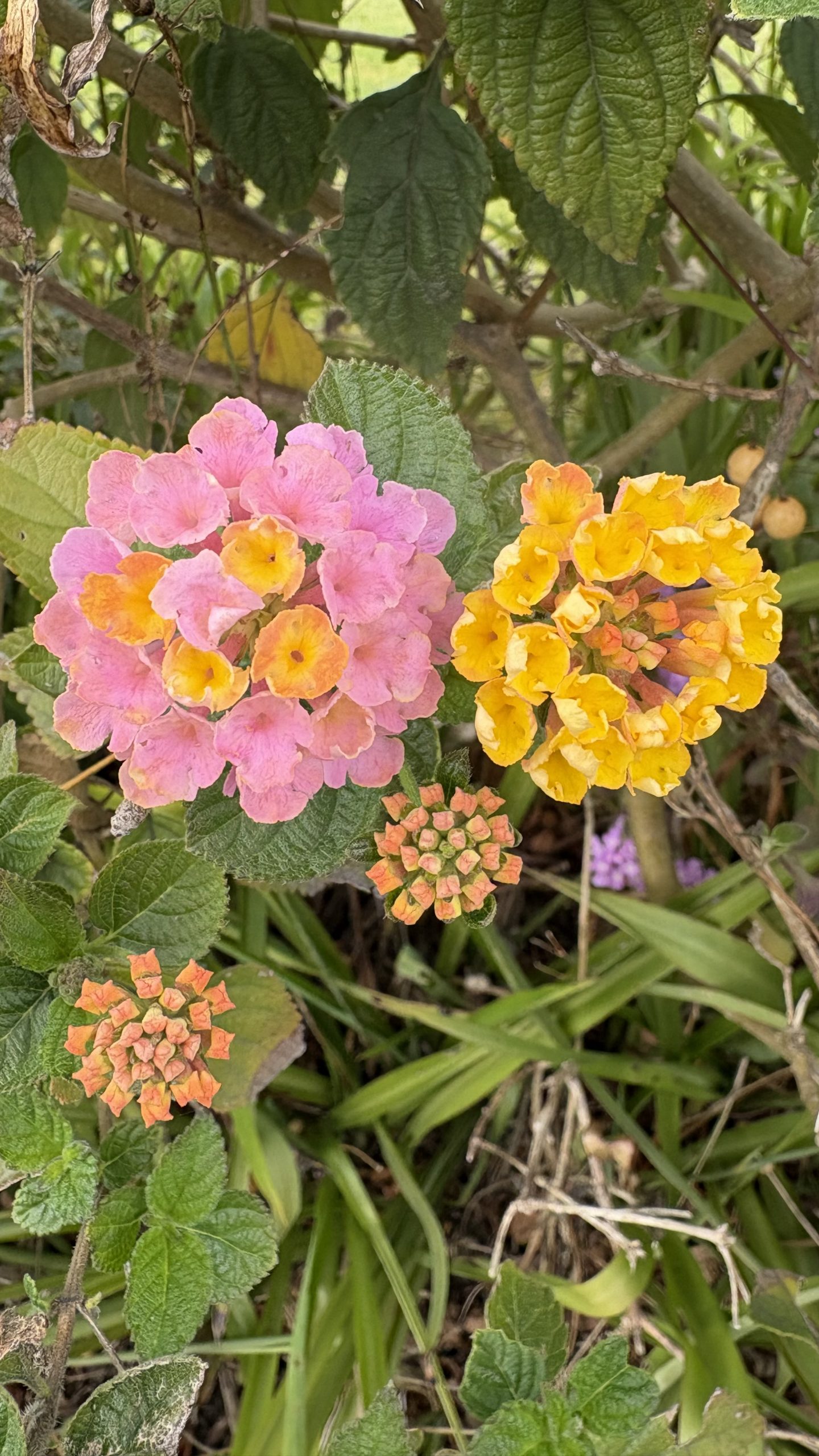
What is it with friendship? Why does it fade? For me at least. So many once close friends slipping from my life, unable to withstand the rigours of intense connection.
And of course, true to that guilty child within, I imagine it to be my fault.
I must have done something to push them away, even as oftentimes my friendships have faded because of conflict, sometimes instigated by me, other times by them. And conflict needs to be survivable if our connections are to continue, not as sycophantic small children constantly trying to make up for our guilt at all that wrongdoing, but recognising each one of us as unique individuals, connected by our common shared humanity.
And with some special folks, at least special to us, we might include the added bond of close connection.
To me it’s the stuff of life.