
‘Time is coming for us,’ Claire Kilroy writes, its ruthless relentless charge, and before you know it, time is flying and we’re left behind or plunged headlong into eternity.
I lack imagination unless directed there by someone else. I cannot formulate stories made up from my unconscious. My stories are root-bound and tied to my own experience, as clear as my memories allow.
‘To know your history is to carry all your pieces, whole and shattered, through the wilderness. And feel their weight.’ Sabrina Orah Mark.
To feel the weight of the past is to go into those memories and measure them for size and significance.
Place takes me there first. Place followed by objects. The faces of people come last. And so it is, I’m on the banks of the Yarra River well before they tidied up the bridge on Grange Road near the paper works. Tall red brick towers that once used water from the river in their paper production.
Gone now to make room for unit after unit, perched on top of one another like a set of grey green blocks from a kid’s game of Minecraft, each one indistinguishable from the next, like rows of cars in a parking lot. Think folk singer, Pete Seeger’s Little Boxes:
You could walk down to the river’s edge over a grassy tree laden hill from Bourke Road in Kew and see cows on the other side grazing. Someone must have owned the hinterland then unless a staff member from the government saw fit to employ cows for lawn mowing duties.
Best of all, I remember once submerged in the river on hots days, the brown water and slime underfoot, mixed in with fallen twigs disintegrating below the surface and the occasional rock. The yuk feeling of the unknown underfoot and my fear something dangerous might be lurking there.
It was not the sensation of sediment between my toes, but the uncertainty of what made it into being that troubled me. Even then I needed to have some idea of what I was walking on.
I had read about people who could walk over glowing coals simply by mesmerising their minds and walking lightly, to avoid burns. Like Jesus walking on water, only Jesus would not have been burned, had he opened his mind to the dangers. He might simply have sunk and drowned.
Recently, I read an essay from Robert Grossmark on his work with a man addicted to watching kiddie porn. The man tried to resist his addiction, aware of its dangers, but when he was lost in this pornography world he felt elated in ways other experiences could not allow.
Something of his addiction to the pleasure of imagining these small children getting pleasure out of being sexually abused. He might well have been abused himself and it took many years before an elder sister came to him in adulthood and apologised for tormenting him sexually when he was four or five.
The clincher, Grossmark observes, was his own experience growing up with separated parents, each of whom, but more especially his mother spent time openly in the company of lovers. His childhood was sexualised to within an inch of its life.
Sexualisation of things can torment you when you’re a child. I know this well, though perhaps not to the degree of this man.
My father saw sex in everything. And when I consider his history and all the shattered pieces he carried, I can only imagine what it was like in his childhood home. His father archivist the Dutch registry of births, deaths and weddings by day and at night, head of his household.
This father changed religions as often as you might change your underwear and at one time was enamoured of the freedom offered by the Mormons. The freedom to take on any number of women as pseudo wives.
He included his younger daughter in this, as he might well have included his other daughter as he might well have included my father in some way.
There was a time when I was a younger adult and first learned of my grandfather’s abuse of his children that I wondered, was he keeping a type of brothel.
The historian Barbara Van Balen helped me with my research when I could not trawl the archives myself. She discovered my Opa, Jan Christiaan Schoonevelt was imprisoned in Haarlem in a jail my mother called the parapluie – it was shaped like an umbrella – on charges of ontucht, which is old Dutch for licentiousness, profligacy and could have been incest, only they did not use this term in their records. Not from what Van Balen could see.
And my grandmother was imprisoned for a lesser period on charges of embezzlement. She stole something. When I asked my mother, what this might be, she speculated on coupons for food.
During the war people were hungry. Hungry and desperate and sexually depraved in my father’s family history, and all this before I was born.
What do you do with shattered knowledge like this? The stuff that comes in bits and pieces without an imagination to stitch it together to create a story. How do you make sense of your life?
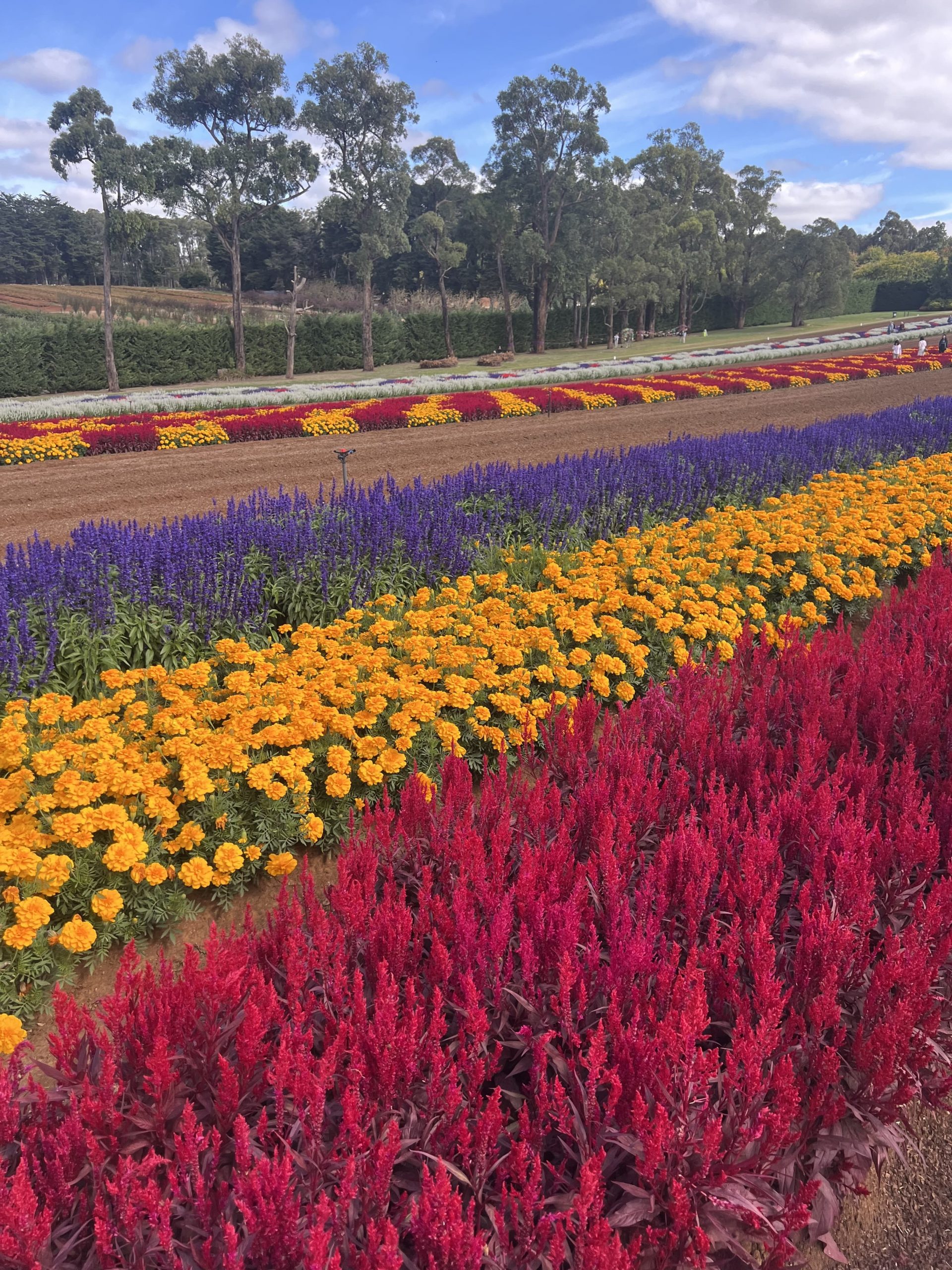
Not all little boxes look just the same.