One of our cats has gone missing,
the grey one, the boy. The one who
is most persistent in his hunger and calls for attention. My husband tells me this morning, in that combined serious
but also light hearted way of his that says ‘be concerned but not alarmed’, ‘the
cat has not been around for two days’.
the grey one, the boy. The one who
is most persistent in his hunger and calls for attention. My husband tells me this morning, in that combined serious
but also light hearted way of his that says ‘be concerned but not alarmed’, ‘the
cat has not been around for two days’.
We both know that our cats have a
tendency, each one of them to stray from time to time, for days on end. And usually they reappear. But I have no memory of the boy disappearing. Besides, I’ve been away myself for the
past four days at a conference and I wonder if the two are connected.
tendency, each one of them to stray from time to time, for days on end. And usually they reappear. But I have no memory of the boy disappearing. Besides, I’ve been away myself for the
past four days at a conference and I wonder if the two are connected.
I am not the chief carer of the
cats. I share responsibility with
my husband and with whichever of our daughters are around, but the cat might
have resented the disruption to our house hold routine and taken himself off somewhere.
cats. I share responsibility with
my husband and with whichever of our daughters are around, but the cat might
have resented the disruption to our house hold routine and taken himself off somewhere.
Forgive me for
anthropomorphising. At this
conference among other things a few people talked about the notion of ‘post
human lives’. I won’t go all
theoretical on you other than to say, the notion of post human lives has
something to do with the idea that human beings and animals, and machines, as
well as cyber creatures, all organisms, have more in common than we like to
think. We tend to create
artificial divides here. That’s a
crude rendering of this idea of the post human which I continually have the
impulse to call ‘subhuman’.
anthropomorphising. At this
conference among other things a few people talked about the notion of ‘post
human lives’. I won’t go all
theoretical on you other than to say, the notion of post human lives has
something to do with the idea that human beings and animals, and machines, as
well as cyber creatures, all organisms, have more in common than we like to
think. We tend to create
artificial divides here. That’s a
crude rendering of this idea of the post human which I continually have the
impulse to call ‘subhuman’.
I relish these conferences, the
ones on autobiography and biography, and on what is roughly called life writing
studies, because there are all these people – in Canberra three hundred of them
– who come together from all over the world to talk about the way people think, paint, photograph, sing and write about their own lives and the lives of
others. And increasingly, there are
people like me who write and theorise more explicitly about their own lives.
ones on autobiography and biography, and on what is roughly called life writing
studies, because there are all these people – in Canberra three hundred of them
– who come together from all over the world to talk about the way people think, paint, photograph, sing and write about their own lives and the lives of
others. And increasingly, there are
people like me who write and theorise more explicitly about their own lives.
At the conference in a paper on
digital lives, I talked about my blog.
The hazards, the pitfalls the exquisite joys of blogging, all dressed up
in a skimpy frock of what gets called ‘blogging theory’.
digital lives, I talked about my blog.
The hazards, the pitfalls the exquisite joys of blogging, all dressed up
in a skimpy frock of what gets called ‘blogging theory’.
And now after all the pleasures of
meeting new people, and of crawling around in my head with new ideas and notions, I
find myself fretting for the cat.
meeting new people, and of crawling around in my head with new ideas and notions, I
find myself fretting for the cat.
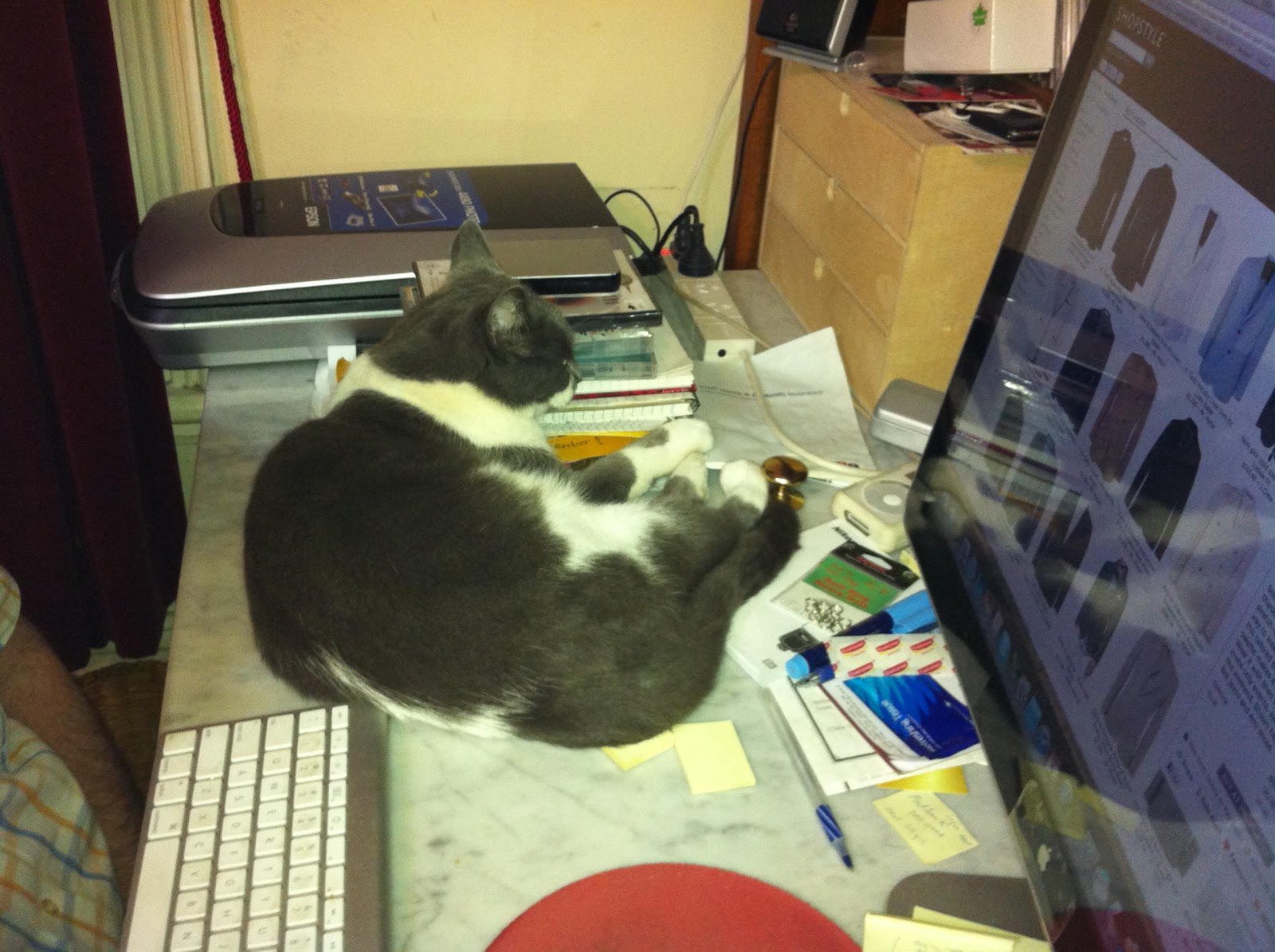
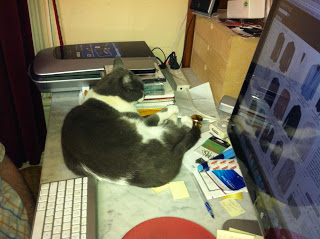
You might recognise him if you saw
him, a grey cat, a large cat, a boy cat, who has been neutered and who perhaps
resents this because sometimes he looks as though he’s scowling. But he is a loyal cat. A gift to one of our daughters from one
of her boyfriends several years ago.
him, a grey cat, a large cat, a boy cat, who has been neutered and who perhaps
resents this because sometimes he looks as though he’s scowling. But he is a loyal cat. A gift to one of our daughters from one
of her boyfriends several years ago.
That daughter has since left
home. That relationship between
boyfriend and girlfriend is over
but the cat remains in our care, as many animals do after children leave
home. They might even be considered
to take the place of the children who leave home.
home. That relationship between
boyfriend and girlfriend is over
but the cat remains in our care, as many animals do after children leave
home. They might even be considered
to take the place of the children who leave home.
And there are other dramas and
sadness afoot – too complex, too personal, to on-the-boil to mention here now, but
the cat’s absence stands as a reminder of the temporality of life, and it frightens me.
sadness afoot – too complex, too personal, to on-the-boil to mention here now, but
the cat’s absence stands as a reminder of the temporality of life, and it frightens me.